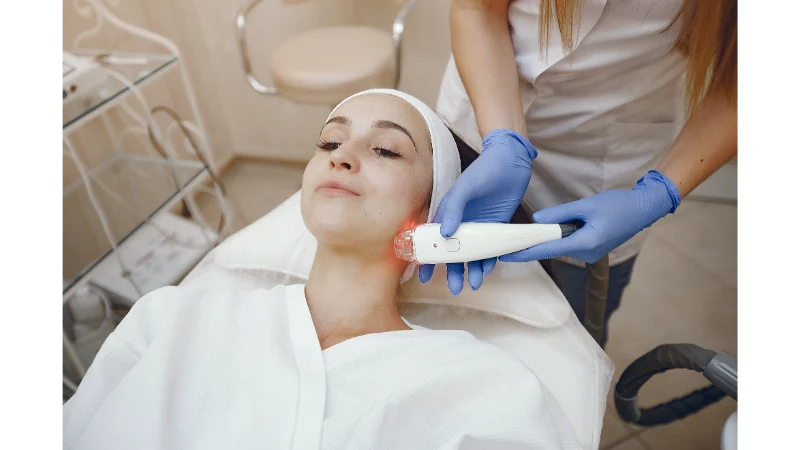
Uneven skin tone is something many people notice gradually rather than all at once. A patch here, a slightly darker area there, and over time the skin just does not look as even as it once did. Pigmentation issues often develop quietly, influenced by sun exposure, hormonal shifts, inflammation, or simply how the skin heals after injury. In a dermatology setting, these concerns are discussed frequently, though expectations around improvement can vary widely. Some people hope for fast, dramatic changes, while others simply want their skin to look calmer and more balanced overall.
Skin uniformity, however, is not just about color. It also relates to how light reflects off the surface, how smooth the texture appears, and whether darker areas continue to draw the eye. Treatments aimed at pigmentation tend to work gradually, and laser-based approaches are often considered when topical care alone feels insufficient. Still, how and why these treatments work is not always clear at first glance.
How Laser Energy Interacts With Pigmented Skin
Laser treatments work by delivering controlled energy into specific layers of the skin. During consultations, pigmentation concerns and pigmentation laser removal Singapore options are often mentioned mid-discussion, alongside explanations about how targeted light energy interacts with melanin. Melanin absorbs certain wavelengths, and this absorption allows pigmented areas to be treated more selectively than surrounding skin.
In practice, the laser energy may fragment clusters of excess pigment into smaller particles. These fragments can then be gradually cleared by the body’s natural processes. This does not happen instantly, unfortunately, and improvement often unfolds over weeks rather than days. Some areas may respond faster than others, depending on depth and pigment type.
It is also worth noting that not all pigmentation sits at the same level in the skin. Superficial pigment tends to respond more readily, while deeper pigment may require repeated sessions and patience.
Gradual Changes in Skin Tone and Visual Balance
One of the main ways laser treatment improves uniformity is by reducing contrast. Dark patches that once stood out sharply may begin to soften at the edges. Therefore, even before pigmentation disappears completely, the skin can look more even simply because differences in tone become less obvious.
This gradual blending effect is often what people notice first. Instead of seeing one spot vanish entirely, the overall complexion starts to look calmer. In many cases, friends or family may comment that the skin looks brighter or more rested, without being able to point to a specific change.
Texture can also influence perceived uniformity. Some laser treatments stimulate mild collagen responses, which may improve surface smoothness over time. While this is not the primary goal of pigmentation-focused lasers, it can subtly enhance how evenly light reflects across the skin.
The Role of Skin Type and Pigment Depth
Skin type plays a significant role in outcomes. Lighter and darker skin tones respond differently, and this is carefully considered in dermatology practice. Darker skin types contain more baseline melanin, which means there is a narrower margin for error. Therefore, treatment settings are often adjusted conservatively, and results may appear slower.
Pigment depth matters just as much. Sun spots tend to sit closer to the surface, while melasma or post-inflammatory pigmentation may extend deeper. In such cases, laser treatment may reduce intensity but not remove pigmentation entirely. This partial improvement can still contribute to better uniformity, though expectations must be realistic.
In practice, a combination of treatments is sometimes used, depending on how the skin behaves over time.
Healing, Inflammation, and the Risk of Rebound Pigmentation
Healing response is an important yet unpredictable factor. After laser treatment, mild redness or darkening of pigmented areas may occur temporarily. This can feel concerning, especially if it looks worse before it looks better. In many cases, this phase settles as the skin renews itself.
However, inflammation must be managed carefully. Excessive irritation can trigger post-inflammatory pigmentation, which unfortunately counteracts the goal of treatment. Therefore, sun protection and gentle skincare are emphasized during recovery. Skipping these steps may slow progress or lead to uneven results.
Depending on the situation, treatment intervals may be adjusted to allow full recovery. Rushing sessions too closely together does not always lead to better outcomes.
Lifestyle and Maintenance Factors
Even successful laser treatments do not operate in isolation. Ongoing sun exposure remains one of the most common reasons pigmentation returns. Therefore, daily habits play a supporting role in maintaining uniformity.
Hormonal influences can also affect outcomes, particularly in conditions like melasma. In such cases, laser treatment may improve appearance temporarily, but maintenance strategies are often needed. This reality can feel frustrating, though it reflects how complex pigmentation truly is.
In addition, using harsh exfoliants or switching products too frequently may irritate the skin barrier. A calmer routine often supports more stable results over time.
When to Seek Professional Help
- Pigmentation that continues to darken or spread despite home care
- Uneven skin tone accompanied by persistent redness or irritation
- Dark patches that appear after acne, injury, or procedures and do not fade
- Uncertainty about whether pigmentation is superficial or deeper in origin
- Previous treatment attempts that resulted in worsening discoloration
Understanding Improvement Beyond Perfection
Skin uniformity does not always mean flawless or completely even tone. In many cases, improvement means that pigmentation no longer dominates the overall appearance of the skin. Laser treatments often aim to reduce visibility and contrast rather than erase every mark.
This perspective can be helpful, especially when progress feels slow. Subtle improvements often accumulate gradually, and the skin may continue to change even after the final session. Therefore, patience and ongoing evaluation are usually part of the process.
Commonly Asked Question
Does laser treatment remove pigmentation permanently?
Not always. Some types of pigmentation respond well and remain lighter long term, while others may recur depending on sun exposure or hormonal factors. Maintenance and protection play an important role.
How soon can improvement be seen?
In many cases, early changes appear within a few weeks, though deeper pigmentation may take longer. Results often continue to evolve gradually rather than appearing all at once.
Can laser treatments make pigmentation worse?
This can happen if inflammation triggers post-inflammatory pigmentation, especially in sensitive or darker skin types. Proper assessment and aftercare help reduce this risk.
Is one session usually enough?
Often, more than one session is needed. The exact number depends on pigment depth, skin type, and how the skin responds after each treatment.
Are lasers suitable for all skin tones?
Lasers can be used on many skin tones, but settings and device choice matter greatly. A dermatologist typically adjusts treatment to minimize risk and improve safety.
Next Steps
If uneven pigmentation continues to affect how your skin looks or feels, a dermatology consultation may help clarify whether laser treatment is appropriate and what level of improvement should be expected. Reviewing pigment type, lifestyle factors, and past skin responses can make future treatment decisions feel more grounded and manageable over time.