For decades, glasses and contact lenses have been the default solution for vision problems. While they remain effective, many people eventually reach a point where they start considering something more permanent. Advances in eye surgery have made long-term vision correction more accessible, precise, and adaptable to individual needs.
Still, the decision to pursue a surgical option is rarely straightforward. It involves more than just convenience—it requires understanding the procedures, evaluating personal health factors, and setting realistic expectations. With the right perspective, modern eye surgery becomes less of a leap and more of a carefully considered step toward improved quality of life.
The Shift from Temporary Fixes to Lasting Solutions
Traditional vision correction methods work by compensating for refractive errors rather than correcting them. Glasses and contact lenses adjust how light enters the eye, but they don’t change the underlying structure responsible for the issue. Surgical procedures, on the other hand, aim to address the root cause directly.
This shift has reshaped how both patients and practitioners approach vision care. Instead of managing symptoms indefinitely, many now explore options that offer long-term clarity. As a result, eye surgery has become an integral part of modern ophthalmology rather than a niche alternative.
Why More People Are Considering Surgery
The growing interest in surgical solutions is driven by both technological advancements and lifestyle demands. People who lead active lives often find glasses inconvenient, while contact lenses can cause discomfort over time. Surgery offers a way to reduce these daily limitations and simplify routines.
At the same time, improved safety profiles and faster recovery times have made these procedures more appealing. Patients are no longer facing lengthy downtime or high levels of uncertainty, which has contributed to increased confidence in surgical options.
Understanding LASIK and Related Procedures
LASIK remains one of the most well-known forms of laser eye surgery, but it’s not the only option available. Variations such as PRK and SMILE provide alternatives that may be better suited for certain eye conditions or anatomical differences. Each procedure has its own advantages, depending on factors like corneal thickness and lifestyle needs.
According to the Mayo Clinic’s overview of LASIK eye surgery, the procedure works by reshaping the cornea to improve how light is focused onto the retina. This adjustment can significantly reduce or even eliminate the need for corrective lenses, although outcomes vary from person to person.
What the Procedure Actually Involves
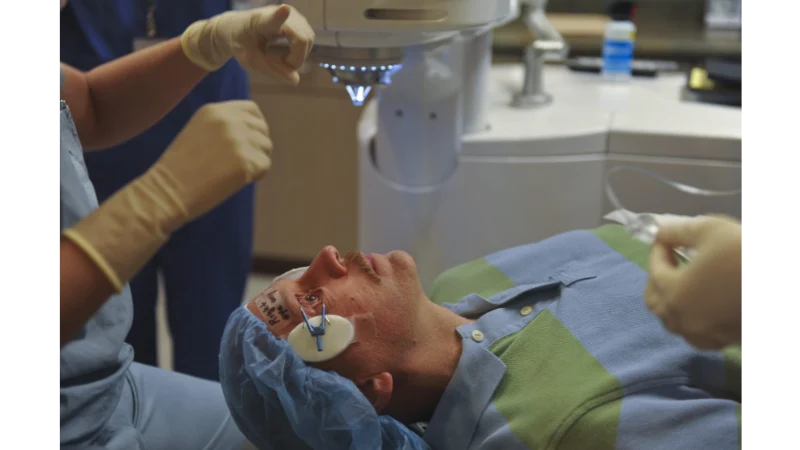
Despite its reputation, LASIK is a relatively quick and straightforward process. The procedure typically takes less than half an hour, and most patients remain awake throughout. Numbing drops are used to ensure comfort, and the laser performs highly precise adjustments based on pre-mapped measurements of the eye.
Recovery is usually rapid, with many patients noticing improved vision within a day. However, full stabilization can take several weeks, during which follow-up appointments are essential to monitor healing and ensure optimal results.
Choosing the Right Surgical Approach
Selecting the appropriate procedure involves more than simply opting for the most popular choice. Eye health, age, prescription stability, and personal preferences all play a role in determining the best path forward. A comprehensive consultation with an eye specialist is critical for evaluating these factors.
For individuals comparing options in detail, resources like Eye Surgery Today can help clarify the differences between procedures and outline what patients can expect before, during, and after surgery. Having access to clear, reliable information makes it easier to align medical recommendations with personal goals.
Weighing Benefits Against Potential Risks
While outcomes are generally positive, no surgical procedure is entirely without risk. Some patients may experience temporary side effects such as dry eyes, glare, or halos around lights. In most cases, these symptoms diminish over time, but they are important to consider when making a decision.
Understanding both the benefits and limitations ensures that expectations remain grounded. This balanced perspective is essential for long-term satisfaction with the results.
The Role of Overall Health in Vision Outcomes
Eye surgery doesn’t exist in isolation—it is influenced by the body’s overall condition. Factors such as immune response, hydration, and even stress levels can affect how well the eyes heal after a procedure. This makes general health an important consideration when planning surgery.
Building a strong foundation of wellness can support better outcomes. For example, insights from maintaining good health over time highlight how consistent habits like proper nutrition and regular checkups contribute to long-term resilience, including recovery from medical procedures.
Preparing for Surgery Through Lifestyle Adjustments
Preparation often includes small but meaningful changes. Patients may be advised to pause contact lens use, avoid certain medications, and focus on maintaining good hydration. These steps help create optimal conditions for both the procedure and the recovery phase.
Post-surgery care is equally important. Following medical guidance, using prescribed eye drops, and attending follow-up visits all contribute to a smoother healing process and better visual outcomes.
Looking Beyond Immediate Results
One of the most common misconceptions about eye surgery is that it provides a permanent, unchanging result. While many patients enjoy long-lasting improvements, vision can still evolve over time due to natural aging processes. Presbyopia, for example, may still develop later in life regardless of earlier corrective procedures.
This doesn’t diminish the value of surgery, but it does highlight the importance of long-term planning. Regular eye exams remain essential even after successful procedures, ensuring that any changes are addressed promptly.
Adapting to Life After Surgery
Adjusting to improved vision can be both exciting and slightly disorienting. Tasks that once required careful focus may suddenly feel effortless, while certain visual habits may take time to recalibrate. Most patients adapt quickly, but the transition is worth acknowledging.
Over time, the benefits often extend beyond convenience. Many individuals report increased confidence, greater ease in daily activities, and a renewed appreciation for clear vision.
Conclusion
Modern eye surgery offers a compelling alternative to traditional vision correction, combining precision, efficiency, and long-term potential. By understanding the available options and considering both medical and lifestyle factors, individuals can make decisions that align with their needs and expectations.
Approaching the process with careful research and a balanced perspective ensures that the outcome is not only clearer vision but also greater confidence in the choices made along the way. Vision correction, when thoughtfully managed, becomes more than a solution—it becomes an investment in everyday life.