As caregivers we might spend a considerable part of our day worrying about a variety of health conditions, looking out for side effects, or simply making our loved one’s life just a tad bit easier.
You’re only human, and even when you are paying close attention, some issues might take a backseat. More often than not, these are skin concerns. When dealing with big problems, skin irritation and rashes might get sidelined until they snowball into something nasty.
Why not nip it in the bud? If you are caring for a senior with delicate skin, know that small rashes, a dry patch, or mild irritation can quickly turn into big issues that drastically impact their quality of life. Here’s all you need to know to avoid such concerns;
Common Skin Issues for the Elderly
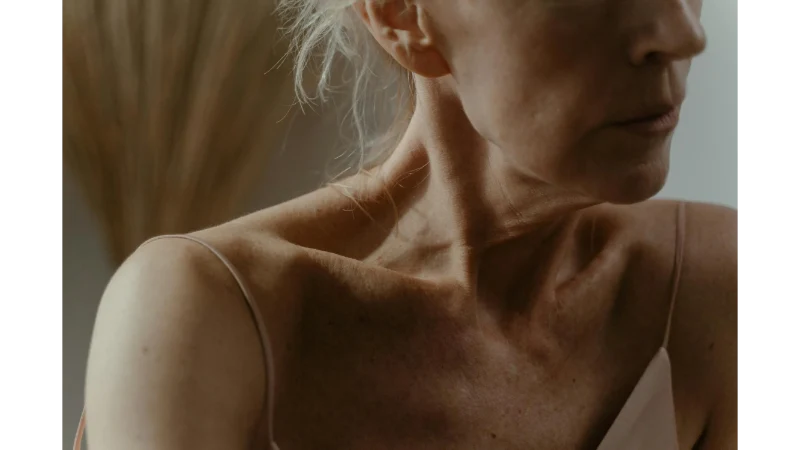
As we grow older, our skin tends to become much more sensitive and prone to dryness. It becomes thinner, losing most of its elasticity and moisture. Without proper hydration, it can quickly succumb to age spots, hyperpigmentation, or easy bruising resulting from thinning blood vessel walls.
You might also begin to notice skin tags. These are small, soft flaps of extra skin and they are commonly noticeable on the armpits or neck. Although harmless, they can be pretty annoying and uncomfortable.
Caregiving Tips for Seniors with Delicate Skin
Here are a few tips for caregivers who might feel confused and hesitant as they begin to learn more about caring for delicate skin;
Tip #1: You Don’t Always Need a Full Body Bath
Delicate elderly skin needs to be kept clean but it won’t benefit from a harsh scrubbing. Unless absolutely necessary, avoid daily body baths. Instead, go for daily sponge baths (focus on the underarms, groin, and skin folds) and dedicate 2-3 days a week to gentle showers.
Avoid extremely cold or hot water. Lukewarm is best if you want to avoid pulling excess moisture from the skin. Speaking of moisture, don’t forget to choose a reliable fragrance-free moisturizing cleanser (toss out the bar soap).
Tip #2: No Need to Be Squeaky Clean
Where does squeaky clean come from? It’s often connected to the faint squeak you heard or friction you feel when a surface has been scrubbed so hard it has virtually 0% residue left behind. That may work for furniture, but it isn’t a great rule of thumb for sensitive, elderly skin.
Avoid harshly rubbing the skin (this can create micro-tears). Instead, try patting it dry. Within 2-3 minutes of bathing, seal in the moisture with a thick cream or ointment (petroleum jelly or shea butter blends work best).
Tip #3: Reduced Motion is a Recipe for Bed Sores
With fragile skin, you forever run the risk of sore spots. This is especially true for patients with limited mobility who need to lie down or sit in one spot for long periods.
This is easily solved with a repositioning every 1-2 hours. You could also place soft pillows under the heels, between their knees, or behind their back for extra comfort. Keep assessing the heels, hips, elbows, and tailbone for any red spots that don’t fade within 30 minutes. These need immediate attention!
Tip #4: What You Put On the Skin Matters
Be it clothing or a dressing on a wound, what you put onto the skin matters quite a lot. Choose breathable fabrics such as cotton or softer blends so the skin can breathe. Avoid scratchy materials or elastics that leave a mark.
In case of injury, go for non-adhesive dressing which can protect the wound bed as well as maintain a moist environment. Its non-adhesive nature helps you avoid tearing or irritating the skin during removal.
Tip #5: Keep Checking In
Don’t shy away from daily checks. You’re a caregiver and your eyes are the best protection against issues that worsen over time. While dressing or bathing your loved one, check the arms, legs, back, and skin folds.
Notice dry patches, bruising, or scratches, and reach out to doctors and nurses when needed. It is much easier to deal with smaller issues instead of waiting for them to turn into infections or deep and complex wounds.
Final Thoughts
Do you find it difficult to keep track of symptoms? That’s natural when you’re caring for a loved one that needs support 24/7. Try keeping a simple notebook or using your phone to quickly type out small changes in the skin. That way, you can simply scroll through it during a medical appointment.
Remember that elder skin is vastly different from younger skin, yet it needs much of the same support. It requires moisture and protection against harsh, external elements. Since it can’t rely on internal elasticity, it is important to support the skin barrier with hydration and external moisture as often as possible. That can prevent major problems in the long run. Visit my site.