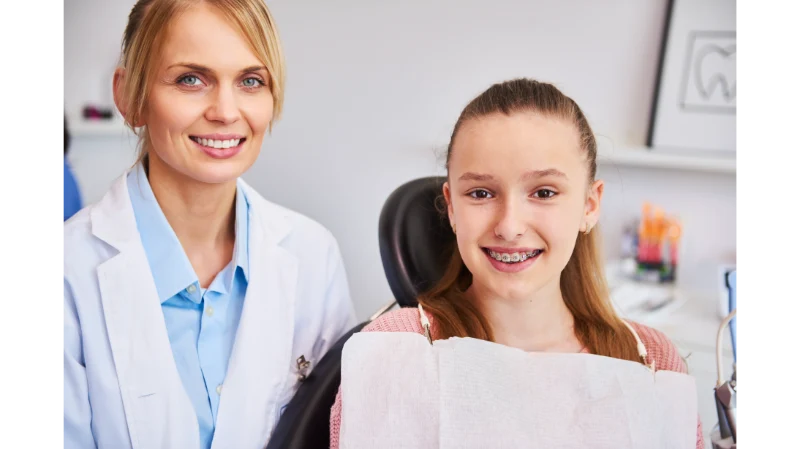
When it comes to teen orthodontics, misinformation is surprisingly common. Many parents rely on outdated beliefs or anecdotal advice when deciding whether their child needs braces or Invisalign. The result? Delayed treatment, unnecessary complications, or missed opportunities to address issues early—when they’re easiest to correct. This article breaks down the most persistent orthodontic myths about teenagers and replaces them with clear, evidence-based insights to help parents make informed decisions.
“If My Teen Isn’t Complaining, There’s No Problem”
One of the most common misconceptions is that orthodontic issues are always obvious or painful. In reality, many problems—like bite misalignment, crowding, or jaw development issues—progress silently.
Teens rarely complain because:
- They may not recognize subtle alignment issues
- Discomfort is often gradual and tolerable
- Cosmetic concerns may not feel urgent to them
However, untreated orthodontic issues can lead to:
- Difficulty cleaning teeth properly (increasing cavity risk)
- Jaw strain or headaches
- Long-term wear on enamel
Early evaluation ensures small problems don’t evolve into complex (and expensive) treatments later.
“Braces Are Only About Straight Teeth”
Straight teeth are just one part of orthodontic treatment. A properly aligned bite plays a much bigger role in long-term oral health.
Orthodontics also addresses:
- Overbites, underbites, and crossbites
- Jaw positioning and development
- Speech and chewing efficiency
For example, a teen with straight-looking teeth may still have a bite issue that affects chewing or causes uneven wear. This is why consulting an experienced orthodontist in Washington, DC or your local area is critical—they assess both aesthetics and function.
“It’s Better to Wait Until All Adult Teeth Come In”
Many parents believe orthodontic treatment should only begin once all permanent teeth have erupted. While this may apply in some cases, waiting too long can limit treatment options.
In reality:
- The American Association of Orthodontists recommends evaluation by age 7
- Early intervention can guide jaw growth and prevent severe misalignment
- Some issues become harder to treat once growth slows in late adolescence
For teens, timing still matters. Even within the teenage years, earlier treatment can be more efficient and less invasive.
“Invisalign Doesn’t Work for Teens”
Clear aligners like Invisalign have become increasingly popular, but some parents still assume they’re less effective than traditional braces.
The truth:
- Invisalign is highly effective for many teen cases
- It can treat crowding, spacing, and moderate bite issues
- Compliance is the key factor—aligners must be worn consistently
Modern Invisalign systems designed specifically for teens include:
- Compliance indicators
- Replacement aligners
- Features to accommodate growing teeth
For responsible teens, Invisalign offers a discreet and flexible alternative without compromising results.
“Orthodontic Treatment Is Purely Cosmetic”
This myth often leads parents to delay or avoid treatment altogether. While aesthetics are a benefit, orthodontics is fundamentally about health and function.
Proper alignment helps:
- Reduce the risk of tooth decay and gum disease
- Improve bite efficiency and digestion
- Prevent jaw pain and TMJ disorders
Think of orthodontics as preventive care—not just cosmetic enhancement.
“Braces Take Years No Matter What”
Many parents still assume braces will automatically mean a 2–3 year commitment. While that used to be common, advancements in orthodontic technology have changed timelines significantly.
Treatment duration now depends on:
- The complexity of the case
- The type of appliance used
- Patient compliance
Some mild to moderate cases can be treated in:
- 6–12 months with aligners
- 12–18 months with braces
Modern planning tools allow orthodontists to map treatment more precisely, often reducing overall time.
“Teens Will Struggle Socially with Braces”
A decade ago, this concern held more weight. Today, braces are widely normalized, and teens have more options than ever.
Current realities:
- Many teens wear braces—it’s socially common
- Clear aligners and ceramic braces offer low-visibility options
- Social stigma around braces has significantly decreased
In fact, many teens view orthodontic treatment as an investment in confidence rather than something to hide.
“Orthodontic Issues Fix Themselves Over Time”
Some parents hope that as their teen grows, alignment problems will naturally resolve. Unfortunately, this is rarely the case.
Without treatment:
- Crowding often worsens as more teeth erupt
- Bite issues can become more pronounced
- Jaw misalignment does not self-correct
Growth can sometimes be guided—but it won’t fix structural problems on its own.
“All Orthodontists Offer the Same Treatment”
Not all orthodontic care is equal. Differences in experience, technology, and treatment philosophy can significantly impact outcomes.
A high-quality orthodontist will:
- Use advanced imaging and diagnostics
- Provide a customized treatment plan
- Consider both function and aesthetics
- Monitor progress closely and adjust as needed
Choosing the right provider is just as important as deciding to pursue treatment in the first place.
“It’s Too Late If We Didn’t Start Early”
Parents who missed early orthodontic evaluations often assume they’ve lost their window. The reality is that teenage years are still an excellent time for treatment.
Teens benefit from:
- Ongoing jaw development (though less than in younger children)
- Faster biological response compared to adults
- High adaptability to orthodontic appliances
While earlier intervention can simplify some cases, effective treatment is still very achievable during adolescence.
Final Takeaway: Replace Assumptions with Strategy
Most orthodontic myths persist because they’re based on outdated information or incomplete understanding. The key shift for parents is moving from assumption-based decisions to strategy-driven ones.
Instead of asking:
- “Does my teen need braces right now?”
A better question is:
- “What’s the long-term impact if we address—or ignore—this now?”
Orthodontic treatment is not just about fixing teeth. It’s about setting the foundation for lifelong oral health, confidence, and functionality. The earlier parents replace myths with accurate information, the better positioned they are to make decisions that truly benefit their teen—not just today, but for years to come.