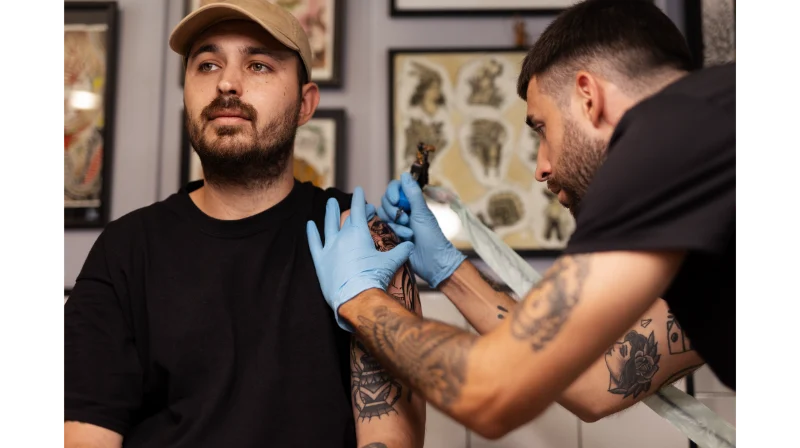
Tattoo shops have evolved into meaningful creative spaces where personal stories, identity, and visual art intersect. Once viewed primarily as niche studios, they are now widely recognized as places where individuals translate emotions, memories, and beliefs into permanent visual form. A tattoo shop is not just a location for body art; it is an environment shaped by trust, communication, and artistic collaboration. People often arrive with ideas tied to milestones or deeply personal experiences, making the setting emotionally significant. The atmosphere, interaction, and process all influence how that experience unfolds. Understanding the broader role of tattoo shops reveals how they contribute to personal expression while also shaping local culture and shared artistic values.
Tattoo Shops as Modern Creative Spaces
-
Tattoo Shops as Cultural and Creative Hubs
Tattoo shops function as cultural meeting points where art, music, conversation, and personal narratives come together. Each shop reflects a unique blend of influences shaped by its artists and the community it serves. Walls covered with sketches, framed designs, and past work create a visual language that communicates style and inspiration. These spaces often feel welcoming to people seeking creative connection, even before any ink is applied. Tattoo shops also play a role in preserving artistic traditions while adapting to contemporary styles and ideas. They become places where cultural symbols are reinterpreted and where visual storytelling evolves. Through daily interactions, tattoo shops help normalize body art as a respected form of self-expression rather than a trend or statement of rebellion.
-
The Consultation Process and Shared Vision
A tattoo shop experience begins long before the needle touches the skin. Consultation is a vital part of the process, allowing clients and artists to align on meaning, placement, and design flow. These conversations help translate abstract ideas into visual concepts that fit the body naturally. In cities with strong creative scenes, discussions around tattoo in Austin often reflect how local culture influences design choices and artistic direction. This exchange builds trust and ensures the final piece feels intentional rather than rushed. A thoughtful consultation also allows clients to ask questions and feel confident in their decisions. The collaborative nature of this stage underscores that tattooing is as much about communication as about artistry.
-
The Tattooing Experience and Emotional Impact
The act of getting a tattoo is both physical and emotional. Within a tattoo shop, the environment plays a significant role in shaping the experience. Music, lighting, and conversation help set a tone that can ease nerves and create focus. Many people describe the tattooing process as reflective, using the time to reflect on the meaning of their design. The sensation itself varies, but the emotional significance often outweighs physical discomfort. Tattoo shops provide a controlled and respectful environment in which clients can feel supported throughout the process. This atmosphere allows individuals to remain present and engaged, turning the session into a meaningful moment rather than a purely technical procedure.
-
Hygiene, Care, and Professional Responsibility
Tattoo shops have a strong responsibility for cleanliness and care, as safety directly affects both short-term comfort and long-term outcomes. Attention to sanitation practices helps ensure that the tattooing process supports proper healing. Clean workstations, prepared tools, and clear aftercare guidance all contribute to a positive outcome. Aftercare discussions are especially important, as they help clients understand how to protect their new tattoo during the healing phase. Tattoo shops that prioritize these aspects demonstrate respect for the art and the individual receiving it. This responsibility reinforces trust and supports the view that tattooing is a serious craft that requires attention beyond the design itself.
-
A Focused Look at Creative Atmosphere
Creative atmosphere within a tattoo shop shapes how clients feel from the moment they walk in. Visual elements, calm energy, and open communication help create a sense of comfort and inspiration. This environment encourages people to share ideas openly and feel confident in their choices. A supportive atmosphere allows creativity to flow naturally, making the experience feel personal and intentional rather than transactional. When the space feels balanced, both artist and client can focus fully on the process.
-
Tattoo Shops and Their Place in the Community
Beyond individual sessions, tattoo shops often become lasting parts of their local communities. Regular clients build relationships with artists, and shops may collaborate with nearby creative businesses or participate in local events. Over time, these studios contribute to the cultural identity of their neighborhoods. Tattoo shops can act as informal galleries where people encounter new styles and perspectives. They also serve as places where stories are exchanged, creating connections among people from different backgrounds. This sense of belonging helps explain why many clients return to the same shop for years. The shop becomes more than a service location; it becomes a familiar space associated with creativity and shared experience.
Tattoo shops hold a unique position at the intersection of art, identity, and community. They provide environments in which individuals can transform personal stories into enduring visual form through collaboration and trust. From consultation to completion, the experience is shaped by communication, atmosphere, and care. Tattoo shops also contribute to cultural dialogue by reflecting local influences and evolving artistic styles. Their presence within communities supports creative connection and shared understanding of body art as a meaningful practice. Through these roles, tattoo shops continue to shape how personal expression is experienced and appreciated in modern society.