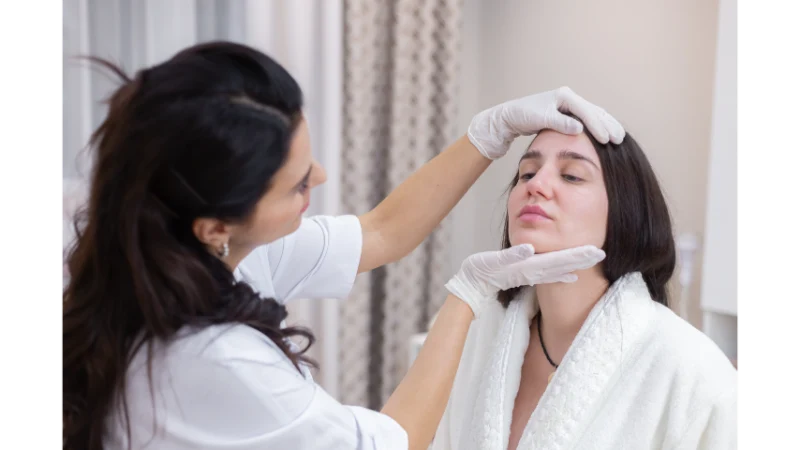
Acne treatments often sound straightforward on paper, yet real outcomes can feel a bit unpredictable. Some people see clearer skin within weeks, while others notice changes only gradually, or sometimes not in the way they expected. This difference in results is rarely about one single issue. Instead, outcomes usually depend on a mix of skin biology, treatment choices, lifestyle habits, and timing. In an aesthetic clinic setting, these factors are assessed carefully, though even then, results may vary from person to person. Understanding what influences treatment response can help set more realistic expectations and reduce unnecessary frustration along the way.
How Individual Skin Characteristics Shape Outcomes
Skin is not a uniform organ, even among people with similar acne patterns. Thickness, oil production, sensitivity levels, and healing response all differ. In many cases, someone with thicker, oil-prone skin may respond differently to treatments compared to someone with thinner or easily irritated skin. Therefore, treatment results are often tied closely to how that particular skin reacts to controlled injury, heat, or chemical stimulation.
Age also plays a role, though not always in obvious ways. Younger skin often heals faster, but it may also produce more oil, which can complicate acne control. Meanwhile, older skin may heal more slowly, and pigmentation changes can linger longer. In practice, clinics often adjust treatment intensity or spacing based on these age-related differences, though outcomes may still vary.
The Role of Treatment Type and Technique
Not all acne treatments work through the same mechanism. Some focus on reducing active breakouts, while others aim to improve texture or discoloration left behind. During consultations, it is common that Singapore acne removal options are discussed in the middle of a broader conversation about skin condition, expectations, and long-term maintenance. The choice between lasers, energy-based devices, chemical treatments, or combined approaches can influence results significantly.
Technique matters as well. Even with the same device, variations in settings, depth, and number of passes can change how the skin responds. In addition, spacing between sessions may affect whether improvements appear steady or uneven. Unfortunately, more aggressive treatment does not always translate to faster or better outcomes. In many cases, conservative adjustments allow the skin to recover more predictably.
Consistency and Treatment Schedule
One often overlooked factor is consistency. Acne-related treatments usually rely on cumulative effects. A single session may produce subtle changes, but noticeable improvement often requires multiple visits over time. Skipping sessions or extending gaps between treatments can slow progress or lead to uneven results.
That said, overdoing treatments may also cause setbacks. Skin that does not fully recover between sessions can become irritated, inflamed, or prone to pigmentation issues. Therefore, scheduling is usually tailored, depending on the situation and how the skin appears to be responding. This balance can feel unclear at times, especially when expectations are high.
Lifestyle Habits and Daily Skin Care
Daily habits often influence results more than people expect. Skincare routines, sun exposure, diet, stress levels, and sleep patterns all interact with treatment outcomes. For instance, frequent sun exposure without adequate protection can interfere with healing and increase the risk of pigmentation changes after procedures.
Similarly, using overly harsh skincare products during treatment periods may disrupt the skin barrier. In many cases, simple routines support recovery better than complicated ones. Unfortunately, it is common for patients to experiment with new products while undergoing procedures, which may unintentionally affect results.
Dietary factors are less direct but still relevant. While no single food causes acne for everyone, certain dietary patterns may worsen inflammation in some people. Therefore, improvements from treatments can feel slower if underlying triggers are not addressed.
Healing Response and Inflammation Control
Healing response varies widely and is not always predictable. Some skin types resolve redness quickly, while others hold onto inflammation longer. This prolonged redness can make it seem as though treatments are not working, even when gradual improvement is occurring beneath the surface.
Inflammation control becomes especially important after procedures. Proper aftercare, gentle cleansing, and avoiding unnecessary irritation may help reduce prolonged downtime. In addition, people who are prone to post-inflammatory pigmentation may require extra caution, as pigment changes can overshadow improvements in acne itself.
Expectations and Psychological Factors
Expectations shape how results are perceived. When outcomes are imagined as dramatic or immediate, even reasonable improvement may feel disappointing. In practice, acne improvement often appears uneven, with good weeks followed by flare-ups. This pattern does not always indicate failure, though it can feel discouraging.
Stress and anxiety may also affect skin indirectly. Elevated stress hormones can influence oil production and inflammation, which may interfere with treatment progress. Therefore, mental well-being, while not a treatment itself, can still play a supporting role.
When to Seek Professional Help
- Persistent acne that does not improve despite multiple treatment sessions
- Worsening inflammation, prolonged redness, or unusual discomfort after procedures
- Development of dark patches or uneven skin tone following treatments
- Acne that begins to affect emotional well-being or daily confidence
- Uncertainty about whether current treatments are appropriate for the skin type
Putting Treatment Results Into Perspective
Results from acne removal treatments are rarely linear or uniform. Improvement often happens in stages, sometimes slowly, and with occasional setbacks. In many cases, visible changes become clearer only after several months, especially when deeper skin layers are involved. Therefore, patience and ongoing communication with providers tend to be just as important as the procedure itself.
It is also worth remembering that treatments aim to improve skin, not transform it instantly. Small, steady changes often signal that the skin is responding, even if progress feels subtle. Over time, these incremental improvements may add up to noticeable differences in texture and clarity.
Commonly Asked Question
Why do some people respond faster to acne treatments than others?
Response speed varies because skin biology, healing capacity, and inflammation levels differ. Some skin types recover quickly and show early changes, while others need more time. In addition, lifestyle habits and aftercare may influence how fast improvements become visible.
Can results worsen before they improve?
Yes, in some cases this can happen. Certain treatments may initially bring underlying congestion to the surface, making breakouts appear more noticeable. This phase is often temporary, though it can feel discouraging if not anticipated.
Does skin care at home really affect treatment outcomes?
In many cases, it does. Gentle cleansing, moisturizing, and sun protection support healing. On the other hand, aggressive products or inconsistent routines may interfere with recovery and delay visible improvements.
Are multiple treatments always necessary?
Often, yes, though it depends on the severity and type of acne. Single sessions may help mildly, but sustained improvement usually requires a series of treatments. The exact number can vary depending on response and tolerance.
How long should someone wait before judging results?
It is usually better to wait several weeks to months, depending on the treatment used. Skin remodeling and inflammation reduction take time, and early impressions may not reflect the final outcome.
Next Steps
If acne treatment results feel confusing or slower than expected, discussing these factors openly with a qualified provider may help clarify what is happening and whether adjustments are needed. A thoughtful review of skin response, daily habits, and expectations can make the overall process feel more manageable and, in many cases, more effective over time.